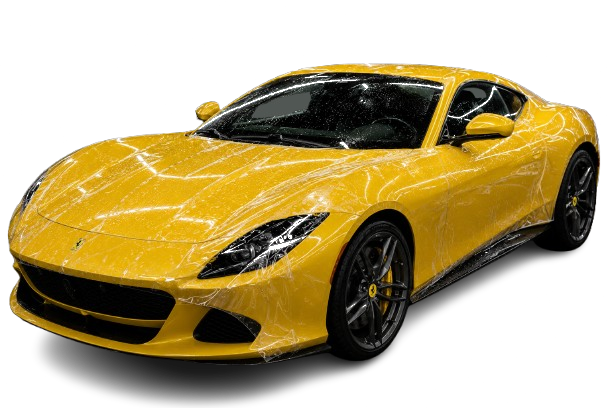
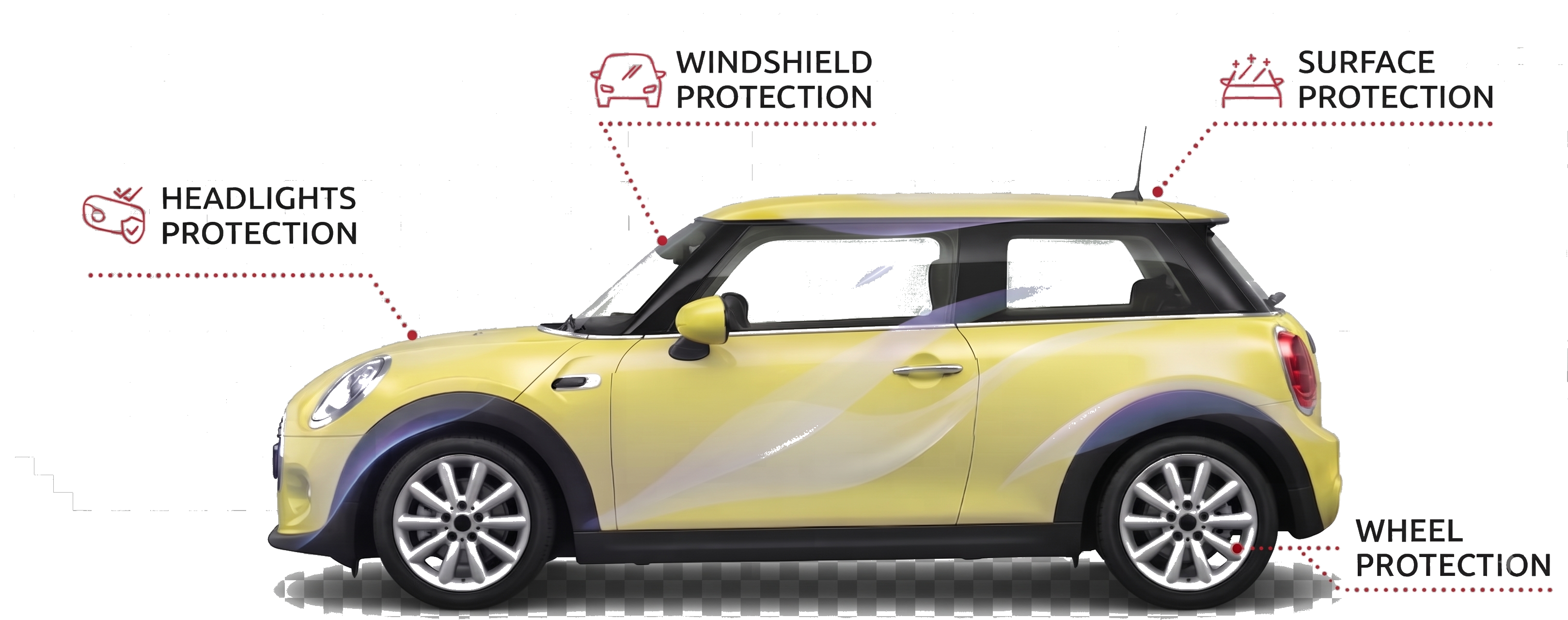
- TPU PPF is a physical self-healing barrier against stone chips, scratches, and key marks.
- Ceramic / Graphene coatings form a hydrophobic chemical bond for glass-like shine and easy washing.
- For maximum protection, many enthusiasts combine PPF on high-impact zones (bonnet, bumpers) with Graphene Coating on the rest.
- Laser plotter precutting ensures zero blade contact on your vehicle’s factory paint during installation.
When you drive a brand-new car off the showroom floor, keeping that deep, flawless factory finish intact is your top priority. However, Indian road conditions present constant hazards — loose gravel, flying stone chips, bird droppings, harsh sunlight, and tight parking scratches. Car owners are usually faced with a major decision: Should you get Paint Protection Film (PPF) or a 10H Graphene/Ceramic Coating?
1. What is TPU Paint Protection Film (PPF)?
TPU (Thermoplastic Polyurethane) is an ultra-durable, elastomeric, transparent film applied directly onto your vehicle paintwork. Unlike older PVC films that yellow over time, modern TPU films feature self-healing properties. Micro-scratches and swirl marks disappear automatically when exposed to heat or warm sunlight.
- Physical Impact Shield: Protects against flying stone chips, road debris, and light scrapes.
- Self-Healing Technology: Scratches heat-seal back to a smooth, flawless state.
- 10-Year Anti-Yellowing Warranty: UV inhibitors prevent oxidation and cloudiness.
2. What is 10H Ceramic / Graphene Coating?
Ceramic and Graphene coatings are liquid polymer compounds infused with Nano-SiO2 or Graphene matrix particles. When applied to clean, machine-polished paint, they chemically bond with the clear coat to create a permanent, super-hydrophobic outer layer.
- Mirror-Like Wet Gloss: Deepens paint clarity and reflection.
- Hydrophobic Bead Effect: Water, mud, and road grime slide right off.
- Chemical & UV Resistance: Prevents acid rain etching and paint fading.
3. Which One Should You Choose?
If your goal is absolute physical protection from flying stones and highway debris, TPU PPF is unbeatable. If your goal is unmatched glossy reflection and effortless weekly washing without heavy physical impact protection, Ceramic or Graphene Coating is ideal. For ultimate perfection, getting a Hybrid Package (PPF on front high-impact panels + Graphene Coating on remaining panels) gives you the best of both worlds.
At Turbo Demon Studio, every vehicle undergoes paint thickness gauge analysis before any installation. Our German Graphtec plotter pre-cuts PPF templates to eliminate manual blade cutting on your vehicle panels.